Circus Quixote
A Lookingglass Theatre Company production
Based on Miguel de Cervantes’ Don Quijote of La Mancha
Written and Directed by Kerry and David Catlin
Circus by Sylvia Hernandez-DiStasi
Produced in Association with The Actors Gymnasium
Matthews Theatre
March 4 – March 15, 2026
Run Time: 2 hours and 30 minutes including intermission
Recommended Age: 8 years and up
Cervantes’ classic is reimagined in a dazzling new production from the creators of McCarter audience favorites, Lookingglass Alice and Mary Shelley’s Frankenstein.
Welcome to La Mancha - where old Alonso Quijana transforms into errant knight Don Quijote. Enter into his dreams and join his quest to make the world a little bit better. As his friends and family (and his faithful squire Sancho Panza) try to rescue him, perhaps he will rescue us.
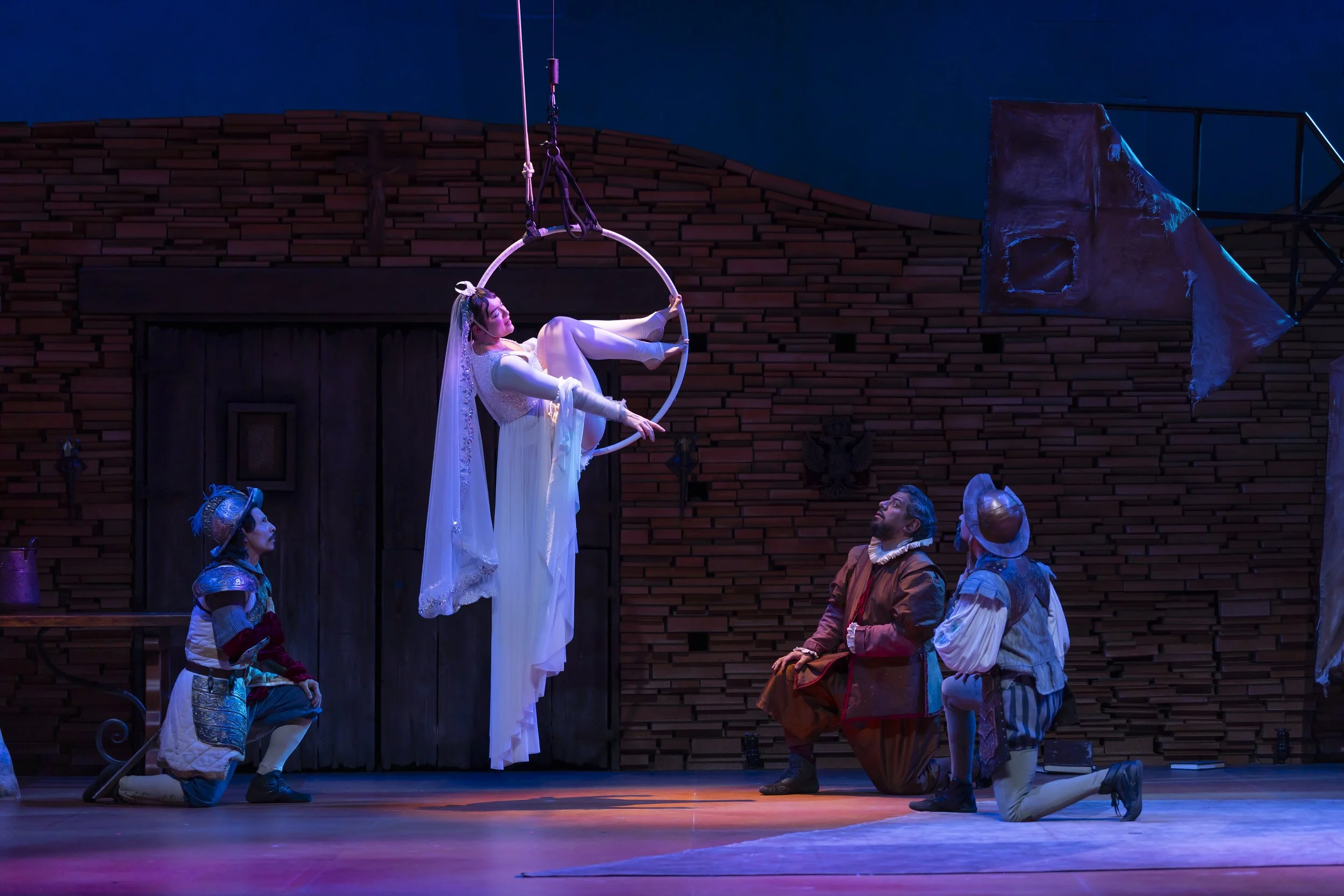
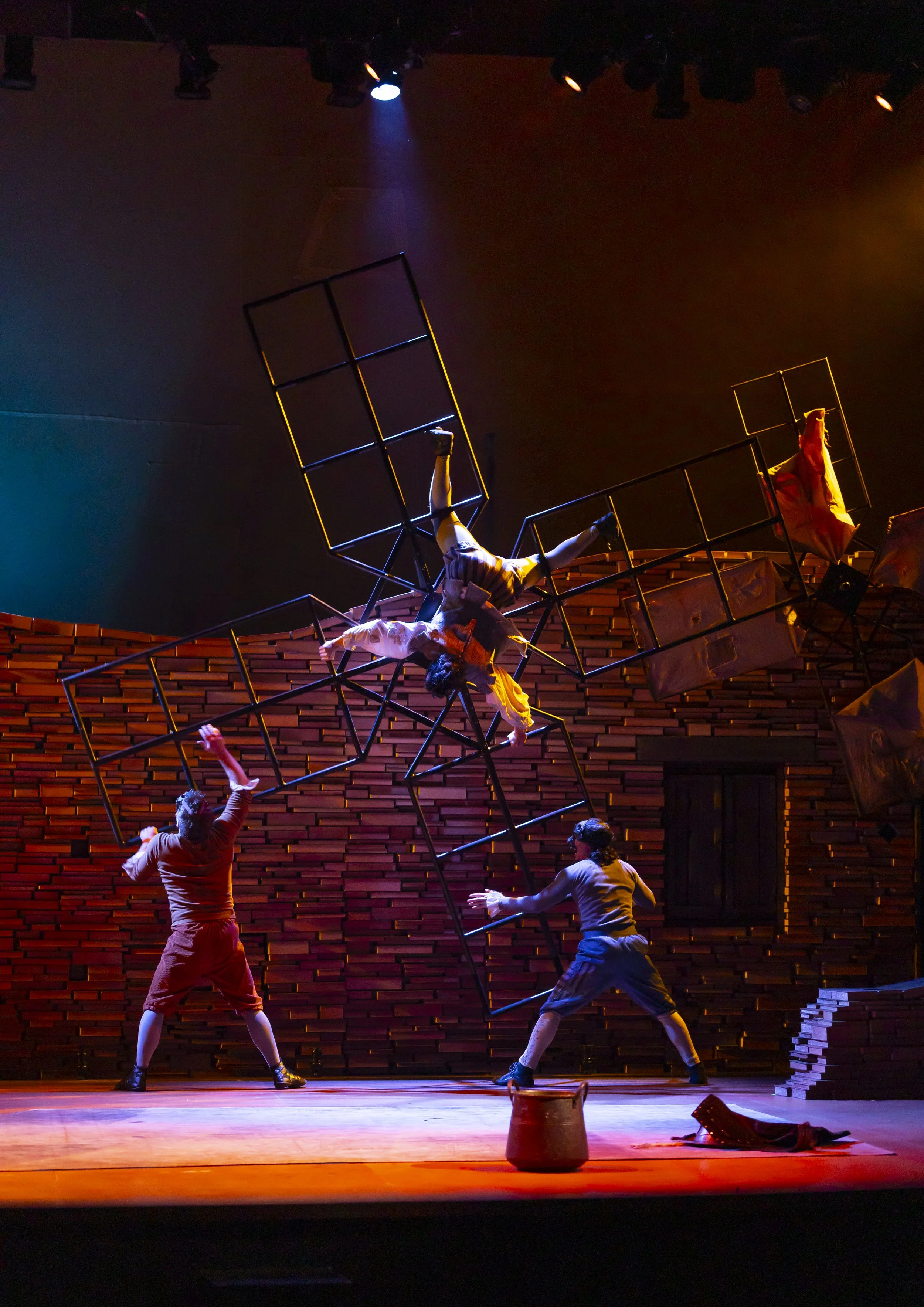
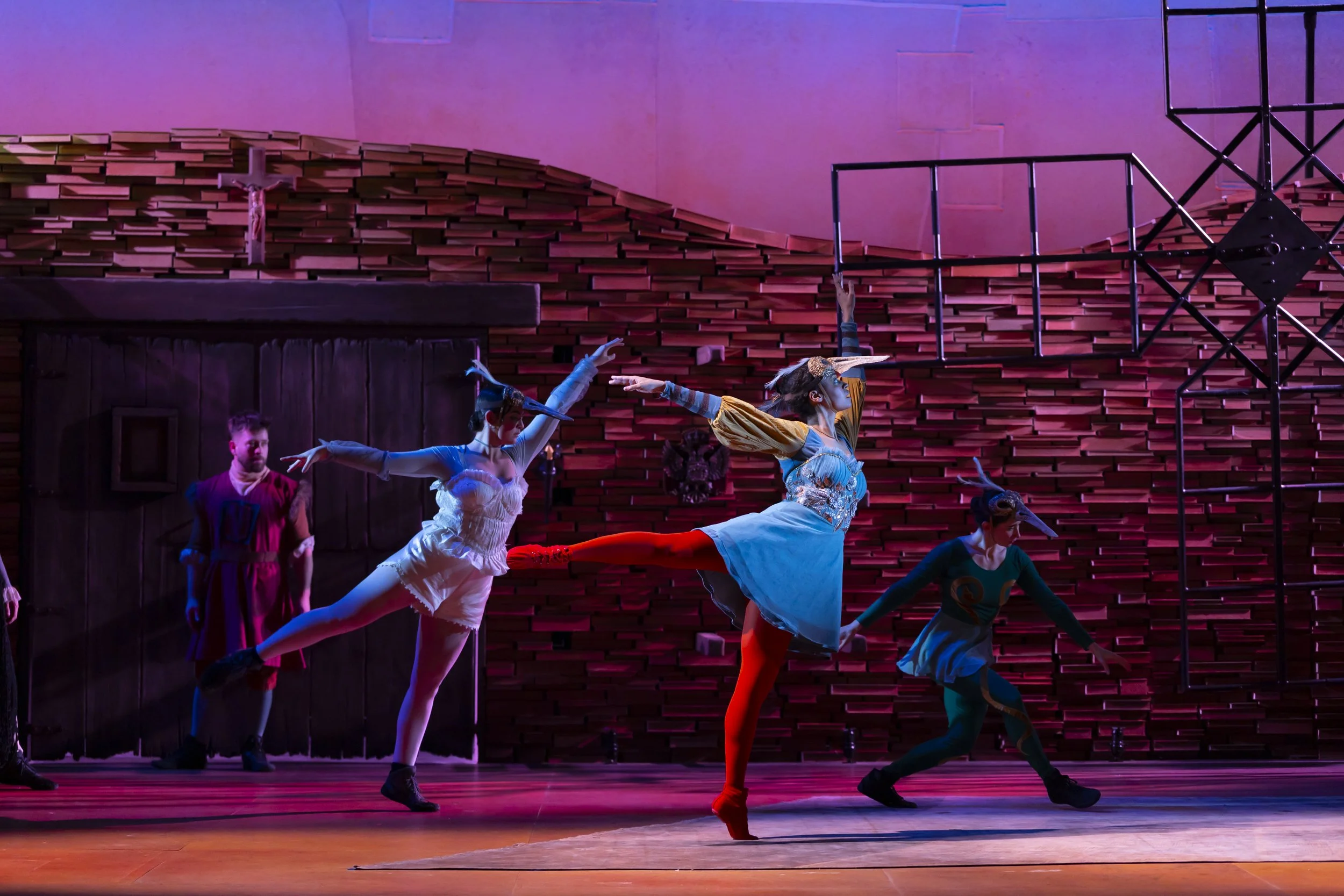
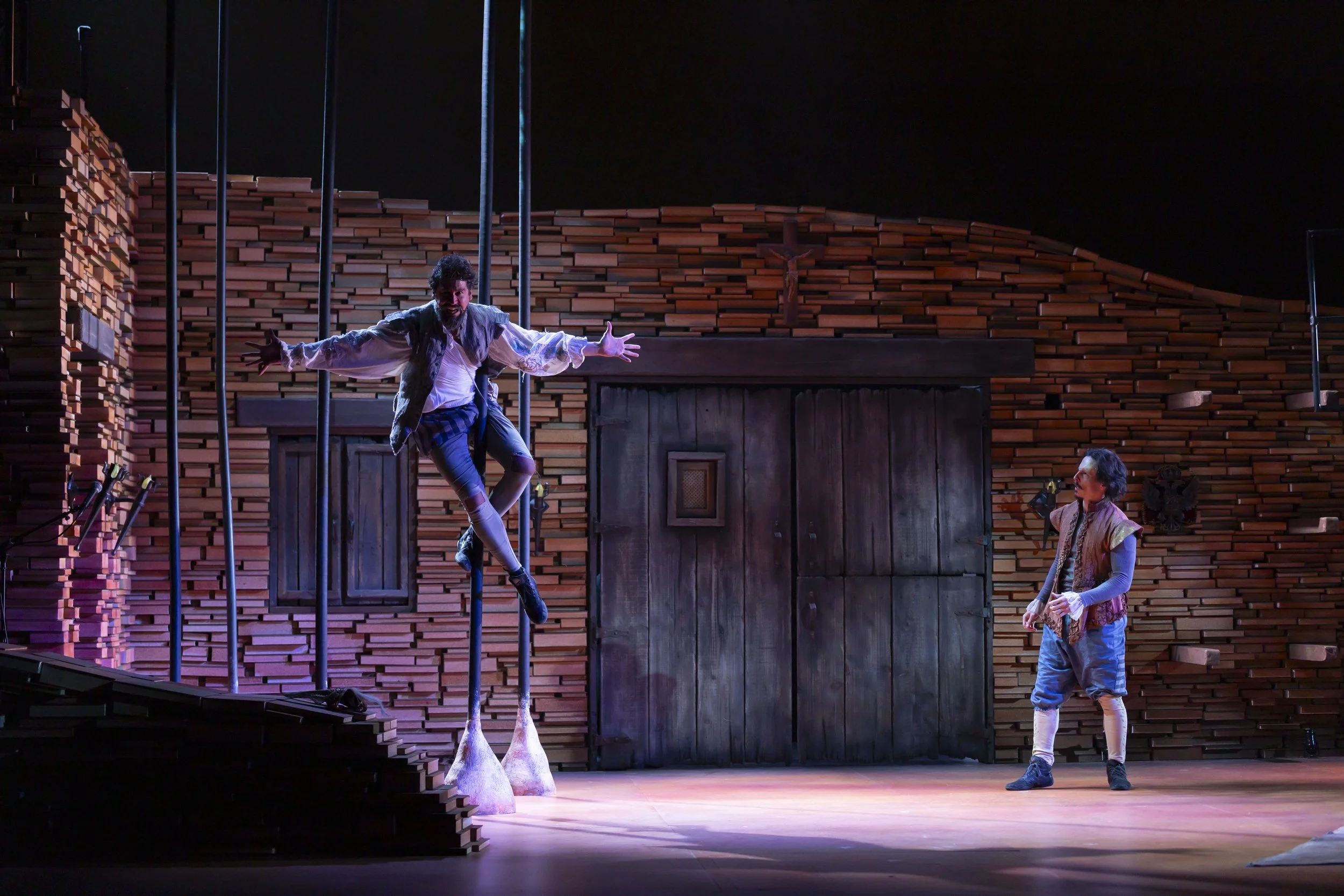
Told with high-flying dragons and birds, spinning windmills, and wild puppet monsters - Circus Quixote brings new heights to an old story.
Babies in Arms Policy
Each patron, including children of any age, must have an individual ticket to enter the auditorium. Infants in arms or in strollers/carriers will not be admitted.

“Don’t miss this thrilling blend of classic literature and breathtaking physical theatre!”
“Oodles of creativity - in all of its quixotic glory”
“Gravity-defying. As breathtaking as it is hilarious. Audiences will be consistently be delighted”

Videos
Meet the Cast
The Honor of Madness
Notes from Dramaturg Gabriela Furtado Coutinho
“Too much sanity may be madness — and maddest of all: to see life as it is, and not as it should be.”
El ingenioso hidalgo Don Quijote de la Mancha has charmed and inspired millions to dream of what “should be” since the first part’s 1605 publication. From beyond the grave, Cervantes has connected souls, defying time and space to invite us along for a simple hidalgo’s personal revolution: to live as a knight-errant. We find our own stories reflected back to us in the whimsy and determination of this bearded, bumbling man who strives to serve others. Without Quijote, there would be no Captain Ahab, no Doc Brown and Marty McFly friendship duos, and possibly no Freudian psychoanalysis. Cervantes’ heroic antihero has taught readers about willpower, justice, the follies of censorship, and the healing capacities of friendship and acceptance, finding relevance in each historical moment.
Yet the world’s first modern novel sustains a legacy as complicated as its protagonist. Its joys are as triumphant as they are poignant, and its ending is as inspiring as it is devastating. The novel emerged at the dawn of the modern world, during what some scholars call the ‘big bang’ of globalization. The “Old World” was beginning to exploit the “New,” and Spain’s nascent Catholic power was just discovering and flexing its muscles. In spite of following the supposed Dark Ages, the Spanish Golden Age dimmed the light of many. El Quijote represents the contradictions. Yes, he slaughters sheep—but he’s only trying to defeat bad guys! Yes, he has been seen as Christlike—and he has also been interpreted as the white savior. Yes, he has maintained status quo in the Eurocentric belief that this is the pinnacle of Hispanic creation—and he has also championed unity and resistance across Latin America. Do we love him, fear him, or diagnose him? Quijote reflects with levity and love a revolutionary diversity of experience, thought, and culture. In imagining what could be, this work comments on the actual violence of society and teaches us about the possibilities of peaceful coexistence. Look how beautifully Quijote and Sancho’s friendship unfolds, in spite of their differences!
It is this sense of reconciliatory love that harmonizes the characters’ nuances, the array of possible interpretations, and the many cultural backgrounds with which we as audiences approach this story. Studies have emerged linking arts and health, suggesting that the arts serve as remedy to what the former U.S. surgeon general called “an epidemic of loneliness and isolation.” Much has been written recently about the impossible dream of the non-profit arts movement. And news each day reveals the trials and tribulations of the impossible dreams of Latin American communities. Quijote doesn’t always succeed—yet he still keeps on. “To dream the impossible dream, that is my quest.” That, too, is the quest of artists, immigrants, and all who dream of a better world.
Quijote’s message of combatting insularity, offering aid to the suffering, and advocating for justice feels bracing as ever. Lookingglass Theatre Company can tell the story in a way few others can: defying gravity, lifting the most magical and fantastical elements of the text, replicating the surprise readers must have felt when it was first published.
May your time in la Mancha be filled with laughter, wonder, and comfort as we remind ourselves that if striving to do radical good is madness, then rigorous madness may prove “a healthy reaction to a mad world.” Qué seamos tan valientes.
What to Know Before Entering La Mancha
Miguel de Cervantes Saavedra (1547-1616) traveled far and endured much in his life, and there are echoes of his experiences in El ingenioso hidalgo Don Quijote de la Mancha, widely considered the first modern novel.
He only had basic grammar school between ages 8 and 15.
He was exiled in 1569, likely for dueling and seriously injuring his opponent. He was allowed to return to Spain in 1575, but on the voyage home, he and his brother were intercepted by Ottoman pirates and sold into slavery. He was released after five years.
“La Mancha” is a play on words. It’s the name of a geographic region, and also humorously means “stain,” a term used in reference to “stained” honor.
Many believe Cervantes began writing Quijote from jail in Sevilla in 1597, when he was arrested for irregularities in his accounts.
Cervantes was a late bloomer – finally finding success at 58 with the 1605 publication of part one of Quijote. Everyone (except critics) hailed it as a feast of humor and philosophy, and readers longed for a sequel. In 1614, an unknown author published a fake part two. Cervantes scorched the imposter in his real part two, published a year later.
Despite being excommunicated thrice, he joined an order of the Church when his sisters and granddaughter died within months of each other, shortly after the publication of part one.
Program
Photos by T. Charles Erickson
Photos by T. Charles Erickson
Photos by T. Charles Erickson
Photos by T. Charles Erickson
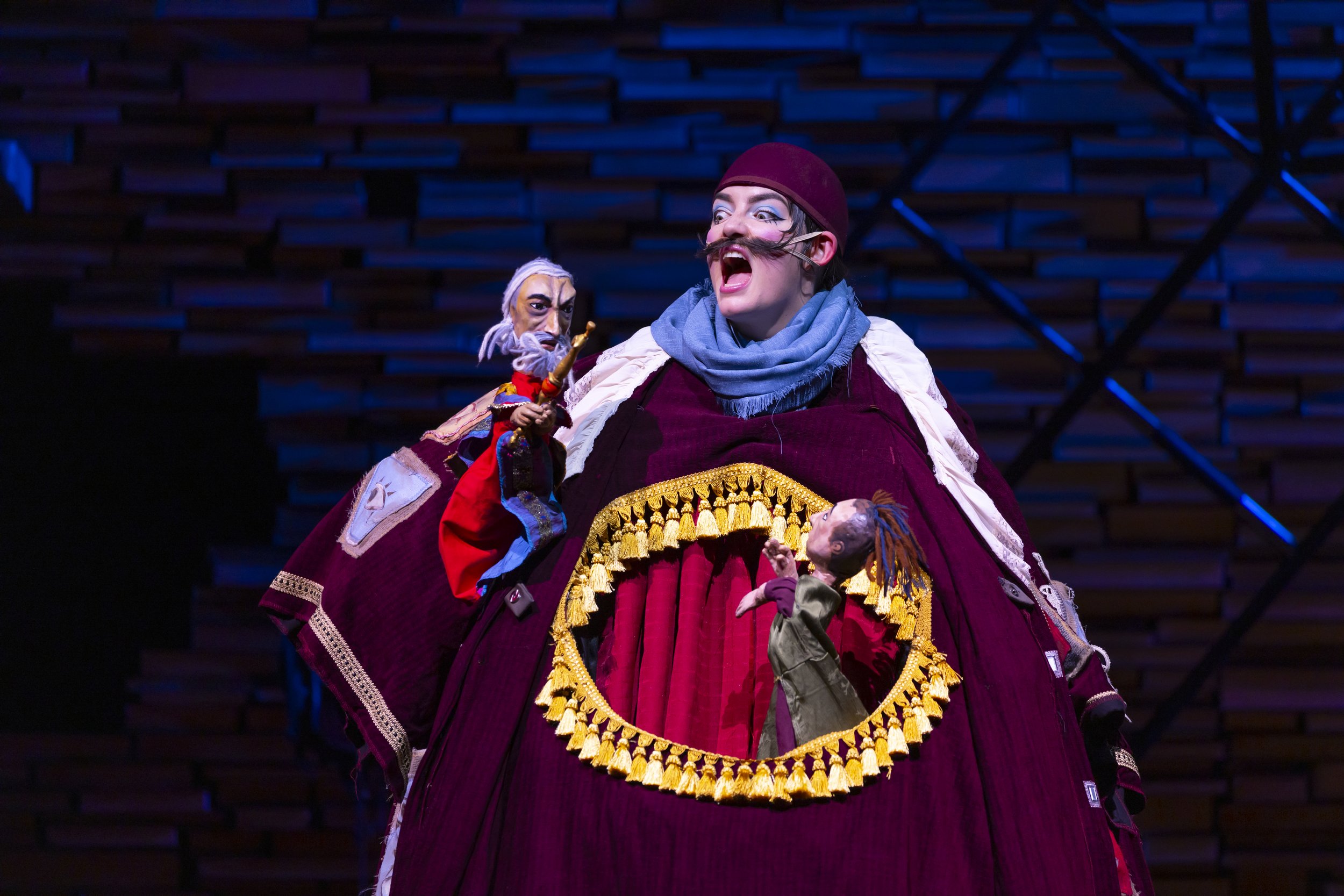
Photos by T. Charles Erickson
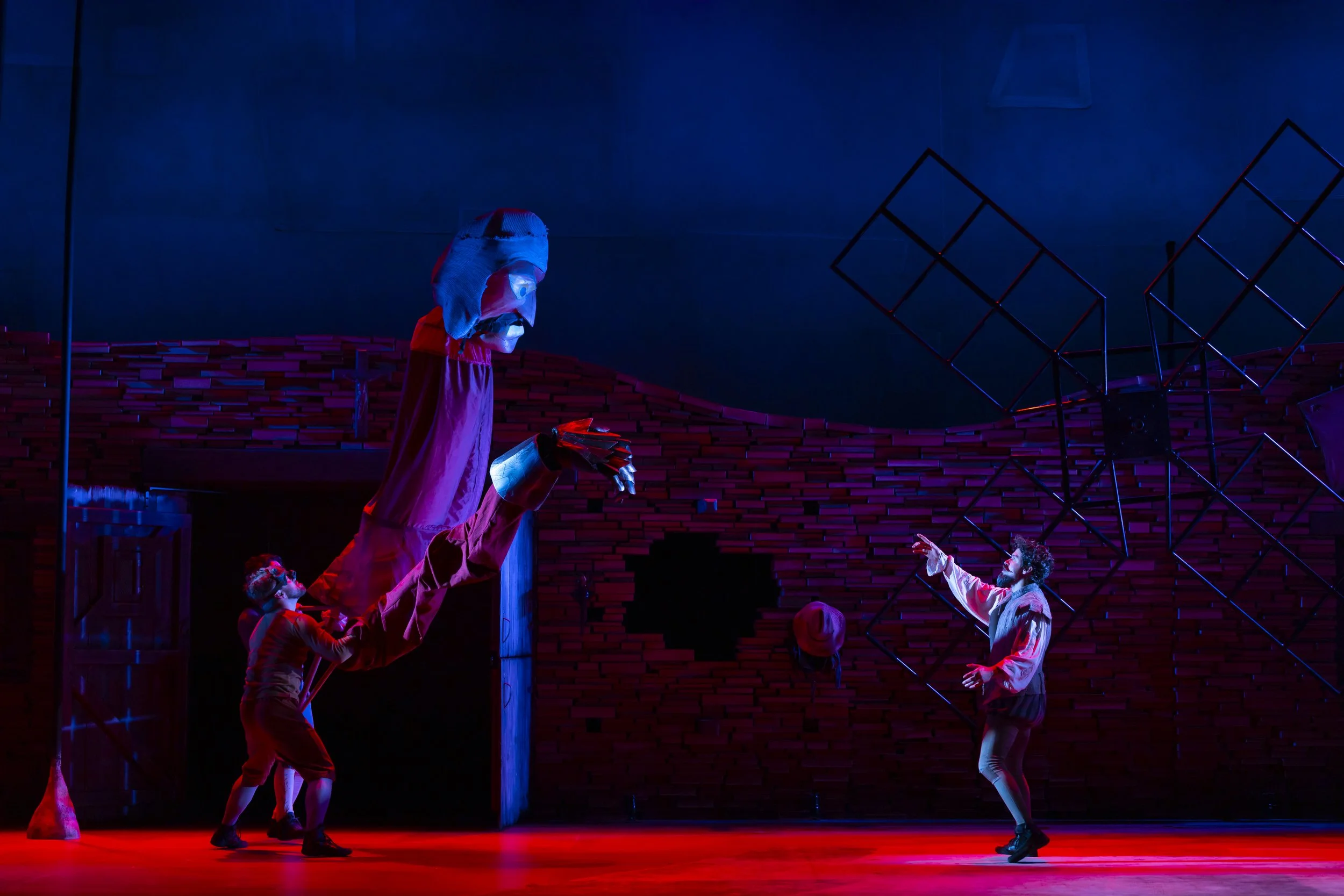
Photos by T. Charles Erickson
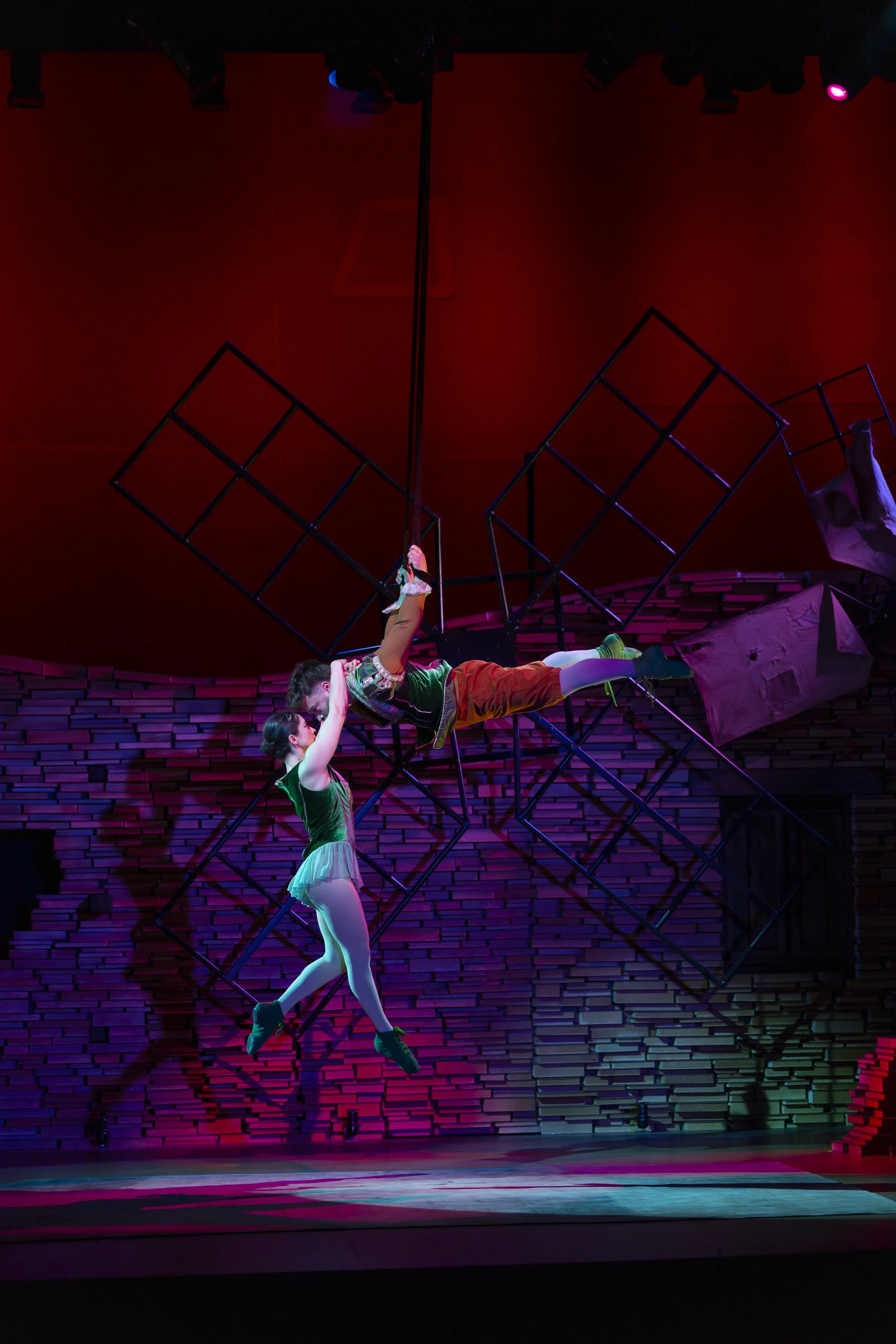
Photos by T. Charles Erickson